- Call: 8638235914


Uploaded At: 2023-03-10 00:16:04
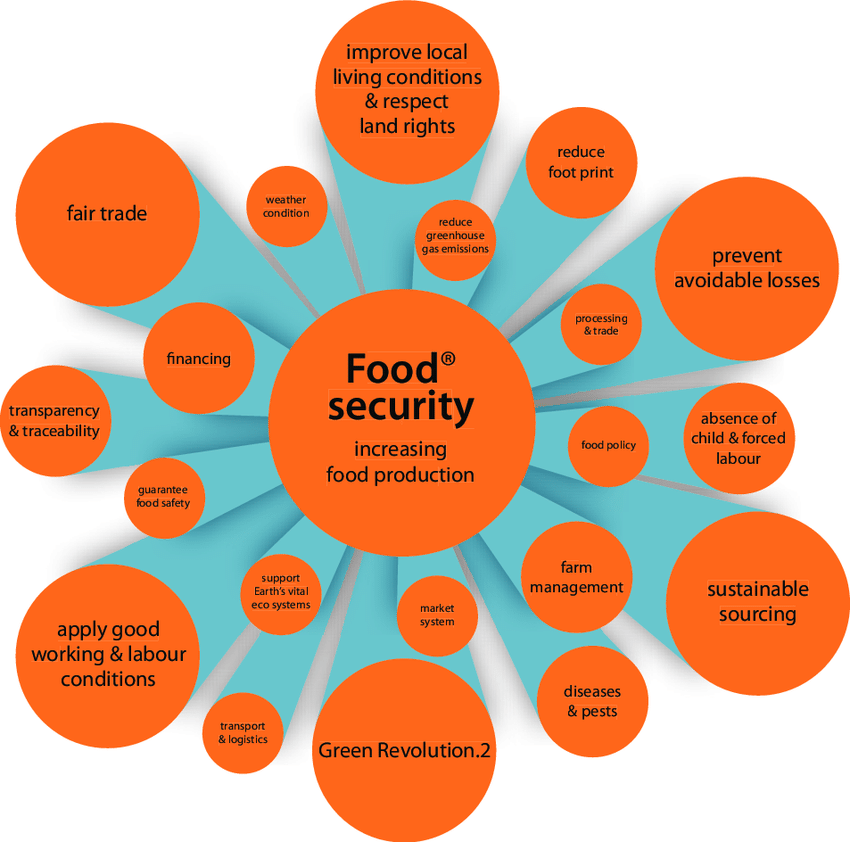
Food security programme in India
Content
1. Acknowledgement ---------------------------------------------------------------------- 3
2. Introduction ---------------------------------------------------------------------------- 4
2. Policy Objective and budget layout ------------------------------------------------- 5-6
3. Outreach among the states of India ------------------------------------------------- 6-7
4. Data -------------------------------------------------------------------------------------- 7-8
5. Economic Impact of the policy ------------------------------------------------------ 9-10
6. Conclusion ------------------------------------------------------------------------------ 11-12
7. Reference --------------------------------------------------------------------------------- 13
Acknowledgment
I would like to express my heartfelt gratitude to all those who have contributed to the completion of this assignment. Without their help and support, this would not have been possible.
Firstly, I would like to thank my instructor for providing me with the guidance and support throughout this project. Their valuable feedback and suggestions helped me to refine my ideas and make the project more comprehensive.
I would also like to extend my thanks to my family and friends who have been a constant source of encouragement and motivation. Their unwavering support has been instrumental in keeping me focused and determined to complete this assignment.
Finally, I would like to thank the various resources such as textbooks, online articles, and other sources of information that I have used to conduct my research. They have helped me to gain a deeper understanding of the subject matter and have contributed greatly to the quality of my work.
Thank you all for your support and encouragement.
INTRODUCTION
India is a country with a population of over 1.3 billion people, and a significant proportion of the population struggles to access adequate and nutritious food. Food insecurity is a complex issue in India, influenced by a range of factors such as poverty, low agricultural productivity, climate change, and inadequate distribution systems. The problem is particularly acute in rural areas, where a large number of people depend on agriculture for their livelihoods, and in urban areas, where access to food is often hindered by poverty and inadequate infrastructure.
To address the issue of food insecurity, the Indian government has implemented several food security programs over the years. These programs aim to provide subsidized food grains to vulnerable populations, including the poor, children, and pregnant and lactating mothers. The programs have been instrumental in reducing hunger and malnutrition in the country, and have played a significant role in improving the health and well-being of millions of people.
One of the most important food security programs in India is the National Food Security Act (NFSA), which was enacted in 2013. The act aims to provide subsidized food grains to two-thirds of India's population, including 75% of rural households and 50% of urban households. Under the NFSA, eligible households are entitled to 5 kg of food grains per person per month at highly subsidized prices. The subsidized prices are fixed at Rs. 3 per kg for rice, Rs. 2 per kg for wheat, and Rs. 1 per kg for coarse grains.
Other important food security programs in India include the Mid-Day Meal Scheme, the Integrated Child Development Services, the Antyodaya Anna Yojana, and the Annapurna Scheme. These programs provide food, health care, and education to vulnerable populations, and have helped to reduce malnutrition and hunger in the country.
Overall, the food security programs in India have been instrumental in reducing hunger and malnutrition, and have played a significant role in improving the health and well-being of millions of people. However, the implementation of these programs has faced several challenges, and there is still a long way to go in ensuring that all citizens have access to adequate and nutritious food.
Policy Objective and budget layout
Policy Objectives: The food security programs in India have several policy objectives, which include the following:
To ensure that all citizens have access to adequate and nutritious food.
To reduce hunger and malnutrition in the country, particularly among vulnerable populations such as children, pregnant and lactating mothers, and the elderly.
To enhance agricultural productivity and rural development.
To reduce poverty and increase food security for the poor.
To promote social inclusion and equality by ensuring that all citizens have access to basic necessities such as food.
The Indian government has implemented several food security programs to achieve these objectives. These programs provide subsidized food grains, health care, and education to vulnerable populations, and have helped to reduce hunger and malnutrition in the country.
Budget Layout: The Indian government allocates a significant amount of its budget to food security programs. The budget layout for food security programs in India is as follows:
National Food Security Act (NFSA): The budget for the NFSA is Rs. 1,84,220 crores for the financial year 2021-22. This budget includes the cost of procuring and distributing food grains to eligible households.
Mid-Day Meal Scheme: The budget for the Mid-Day Meal Scheme is Rs. 11,000 crores for the financial year 2021-22. This budget includes the cost of providing mid-day meals to school children across the country.
Integrated Child Development Services (ICDS): The budget for the ICDS is Rs. 20,105 crores for the financial year 2021-22. This budget includes the cost of providing food, health care, and education to children under the age of six and their mothers.
Antyodaya Anna Yojana: The budget for the Antyodaya Anna Yojana is Rs. 5,000 crores for the financial year 2021-22. This budget includes the cost of providing highly subsidized food grains to the poorest of the poor.
Annapurna Scheme: The budget for the Annapurna Scheme is Rs. 500 crores for the financial year 2021-22. This budget includes the cost of providing food grains to senior citizens who are unable to fend for themselves.
Overall, the Indian government's budget for food security programs is significant, indicating its commitment to ensuring that all citizens have access to adequate and nutritious food. However, there is still a need to increase investment in the agriculture sector and improve the distribution system to ensure that food reaches all those in need.
Outreach among the states of India
The food security programmes in India aim to ensure that the vulnerable sections of the population have access to sufficient and nutritious food. These programmes are implemented by the central government in collaboration with the state governments. The outreach of these programmes varies among the states of India, and in this article, we will discuss the state-wise implementation of food security programmes.
Andhra Pradesh:
The government of Andhra Pradesh has implemented the National Food Security Act (NFSA) to provide subsidized food grains to the identified beneficiaries through the Targeted Public Distribution System (TPDS). Under the NFSA, around 3.67 crore people in the state are covered. The state government has also launched a scheme called 'Anna Canteens' to provide nutritious meals at subsidized rates to the urban poor. The Mid-Day Meal Scheme is also implemented in the state, providing cooked meals to children in primary and upper primary schools.
Assam:
The government of Assam has implemented the NFSA to provide subsidized food grains to the identified beneficiaries through the TPDS. Under the NFSA, around 2.36 crore people in the state are covered. The state government has also launched a scheme called 'Annarogi Anna Yojana' to provide nutritious meals at subsidized rates to patients and their attendants in government hospitals. The Mid-Day Meal Scheme is also implemented in the state, providing cooked meals to children in primary and upper primary schools.
Bihar:
The government of Bihar has implemented the NFSA to provide subsidized food grains to the identified beneficiaries through the TPDS. Under the NFSA, around 7.9 crore people in the state are covered. The state government has also launched a scheme called 'Mukhyamantri Vitahar Abhiyan' to provide nutritious meals to the homeless and destitute. The Mid-Day Meal Scheme is also implemented in the state, providing cooked meals to children in primary and upper primary schools.
Chhattisgarh:
The government of Chhattisgarh has implemented the NFSA to provide subsidized food grains to the identified beneficiaries through the TPDS. Under the NFSA, around 1.8 crore people in the state are covered. The state government has also launched a scheme called 'Mukhyamantri Khadyanna Sahayata Yojana' to provide food security to the urban poor. The Mid-Day Meal Scheme is also implemented in the state, providing cooked meals to children in primary and upper primary schools.
Delhi:
The government of Delhi has implemented the NFSA to provide subsidized food grains to the identified beneficiaries through the TPDS. And Etc.
DATA
Ranks and scores obtained by general category states and union territories
|
State or Union Territory |
Index Score |
Rank |
|
Odisha |
0.836 |
1 |
|
Uttar Pradesh |
0.797 |
2 |
|
Andhra Pradesh |
0.794 |
3 |
|
Gujarat |
0.790 |
4 |
|
Dadra & Nagar Haveli and Daman Diu |
0.787 |
5 |
|
Madhya Pradesh |
0.786 |
6 |
|
Bihar |
0.783 |
7 |
|
Karnataka |
0.779 |
8 |
|
Tamil Nadu |
0.778 |
9 |
|
Jharkhand |
0.754 |
10 |
|
Kerala |
0.750 |
11 |
|
Telangana |
0.743 |
12 |
|
Maharashtra |
0.708 |
13 |
|
West Bengal |
0.704 |
14 |
|
Rajasthan |
0.694 |
15 |
|
Punjab |
0.665 |
16 |
|
Haryana |
0.661 |
17 |
|
Delhi |
0.658 |
18 |
|
Chhattisgarh |
0.654 |
19 |
|
Goa |
0.631 |
20 |
Ranks and scores obtained by states and union territories belonging to special2 categories (North Eastern states, Himalayan states, and the Island Regions)
|
State or Union Territory |
Index Score |
Rank |
|
Tripura |
0.788 |
1 |
|
Himachal Pradesh |
0.758 |
2 |
|
Sikkim |
0.710 |
3 |
|
Nagaland |
0.648 |
4 |
|
Uttarakhand |
0.637 |
5 |
|
Mizoram |
0.609 |
6 |
|
Assam |
0.604 |
7 |
|
Arunachal Pradesh |
0.586 |
8 |
|
Lakshadweep |
0.568 |
9 |
|
Jammu & Kashmir |
0.564 |
10 |
|
Andaman and Nicobar Islands |
0.562 |
11 |
|
Manipur |
0.522 |
12 |
|
Meghalaya |
0.512 |
13 |
|
Ladakh |
0.412 |
14 |
Ranks and scores obtained by union territories operating in DBT (cash transfer) mode
|
State or Union Territory |
Index Score |
Rank |
|
Dadra & NH and Daman Diu |
0.802 |
1 |
|
Puducherry |
0.709 |
2 |
|
Chandigarh |
0.680 |
3 |
Economic Impact of the policy
Food security is a critical issue in India, given its large population and significant poverty levels. To tackle this issue, the government has implemented a food security program known as the National Food Security Act (NFSA). This program aims to provide subsidized food grains to around two-thirds of the population, including the poorest of the poor, at affordable prices. The economic impact of this policy has been significant, both in terms of the direct benefits to the people and the broader implications for the economy.
One of the primary benefits of the NFSA is the reduction of food insecurity among the poorest households. By providing affordable food grains, the government is ensuring that the most vulnerable sections of society have access to adequate nutrition, which is essential for their health and wellbeing. This has not only improved the health outcomes of individuals but has also increased productivity and reduced healthcare costs, thus contributing to economic growth.
The NFSA has also had a significant impact on poverty reduction. By ensuring that people have access to affordable food grains, the government is freeing up resources for households to spend on other essentials such as education, healthcare, and housing. This can have a long-term impact on poverty reduction by enabling households to break the cycle of poverty and invest in their future.
Another critical impact of the NFSA is its contribution to reducing inflation. By providing subsidized food grains, the government is controlling the price of food, which is a significant contributor to overall inflation in the economy. This has a positive impact on the overall economy by increasing consumer spending power and reducing the cost of living, particularly for the poor.
The NFSA has also had positive impacts on the agricultural sector. By providing a guaranteed market for food grains, the government is ensuring that farmers have a reliable source of income, which can encourage them to invest in agriculture and increase production. This can have a positive impact on food security and reduce dependence on imports.
However, there are also some potential negative impacts of the NFSA that need to be considered. One of the primary concerns is the cost of the program. While the government has made efforts to ensure that the program is financially sustainable, there are concerns that the cost of providing subsidized food grains could increase in the future, which could put pressure on the government's finances.
Another concern is the potential for the program to create market distortions. By providing subsidized food grains, the government is essentially setting a price floor for food, which could lead to overproduction and market distortions. This could have negative impacts on the agricultural sector in the long run.
In conclusion, the National Food Security Act has had significant economic impacts in India. It has contributed to poverty reduction, food security, and inflation control. It has also had positive impacts on the agricultural sector. However, there are concerns about the cost of the program and the potential for market distortions. Despite these challenges, the NFSA remains a critical program in India's fight against food insecurity, and efforts should be made to ensure that it is financially sustainable and that any negative impacts are mitigated.
Conclusion
Food security is a critical issue in India, given its large population and significant poverty levels. The National Food Security Act (NFSA) is a program implemented by the Indian government to provide subsidized food grains to around two-thirds of the population, including the poorest of the poor, at affordable prices. The program has had significant economic impacts, both in terms of the direct benefits to the people and the broader implications for the economy.
The primary benefit of the NFSA is the reduction of food insecurity among the poorest households. By providing affordable food grains, the government is ensuring that the most vulnerable sections of society have access to adequate nutrition, which is essential for their health and wellbeing. This has not only improved the health outcomes of individuals but has also increased productivity and reduced healthcare costs, thus contributing to economic growth.
The NFSA has also had a significant impact on poverty reduction. By ensuring that people have access to affordable food grains, the government is freeing up resources for households to spend on other essentials such as education, healthcare, and housing. This can have a long-term impact on poverty reduction by enabling households to break the cycle of poverty and invest in their future.
Another critical impact of the NFSA is its contribution to reducing inflation. By providing subsidized food grains, the government is controlling the price of food, which is a significant contributor to overall inflation in the economy. This has a positive impact on the overall economy by increasing consumer spending power and reducing the cost of living, particularly for the poor.
The NFSA has also had positive impacts on the agricultural sector. By providing a guaranteed market for food grains, the government is ensuring that farmers have a reliable source of income, which can encourage them to invest in agriculture and increase production. This can have a positive impact on food security and reduce dependence on imports.
However, there are also some potential negative impacts of the NFSA that need to be considered. One of the primary concerns is the cost of the program. While the government has made efforts to ensure that the program is financially sustainable, there are concerns that the cost of providing subsidized food grains could increase in the future, which could put pressure on the government's finances.
Another concern is the potential for the program to create market distortions. By providing subsidized food grains, the government is essentially setting a price floor for food, which could lead to overproduction and market distortions. This could have negative impacts on the agricultural sector in the long run.
In conclusion, the NFSA is a critical program in India's fight against food insecurity, and it has had significant economic impacts. The program has contributed to poverty reduction, food security, and inflation control. It has also had positive impacts on the agricultural sector. However, there are concerns about the cost of the program and the potential for market distortions. Efforts should be made to ensure that the program is financially sustainable and that any negative impacts are mitigated. Additionally, the government should continue to invest in initiatives that promote sustainable agriculture and food production to ensure long-term food security in the country. Overall, the NFSA has been a positive step towards achieving food security in India, and it is essential to continue to support and improve the program.
References
·
There is no comments available

Uploaded At 2023-02-21 00:58:55
Click here to read
Uploaded At 2023-03-29 23:47:30
Click here to read
Uploaded At 2023-03-29 23:50:14
Click here to read
Uploaded At 2022-12-06 20:34:24
Click here to read
Uploaded At 2022-12-12 19:56:21
Click here to read
Uploaded At 2022-12-20 00:41:42
Click here to read
Uploaded At 2022-12-20 21:51:03
Click here to read
Uploaded At 2022-12-26 01:04:28
Click here to read
Uploaded At 2023-01-05 00:04:45
Click here to read
Uploaded At 2023-02-10 18:28:16
Click here to read
Uploaded At 2023-02-20 01:10:37
Click here to read
Uploaded At 2023-02-21 00:58:55
Click here to read
Uploaded At 2023-02-21 01:29:01
Click here to read
Uploaded At 2023-02-21 01:43:11
Click here to read
Uploaded At 2023-02-22 02:41:48
Click here to read
Uploaded At 2023-02-22 02:45:50
Click here to read
Uploaded At 2023-02-24 18:52:21
Click here to read
Uploaded At 2023-03-09 23:01:09
Click here to read
Uploaded At 2023-03-18 23:16:53
Click here to read
Uploaded At 2023-03-29 23:47:30
Click here to read
Uploaded At 2023-03-29 23:50:14
Click here to read
Uploaded At 2023-04-05 00:58:02
Click here to read
Uploaded At 2023-04-28 19:42:33
Click here to read
Write a Comment